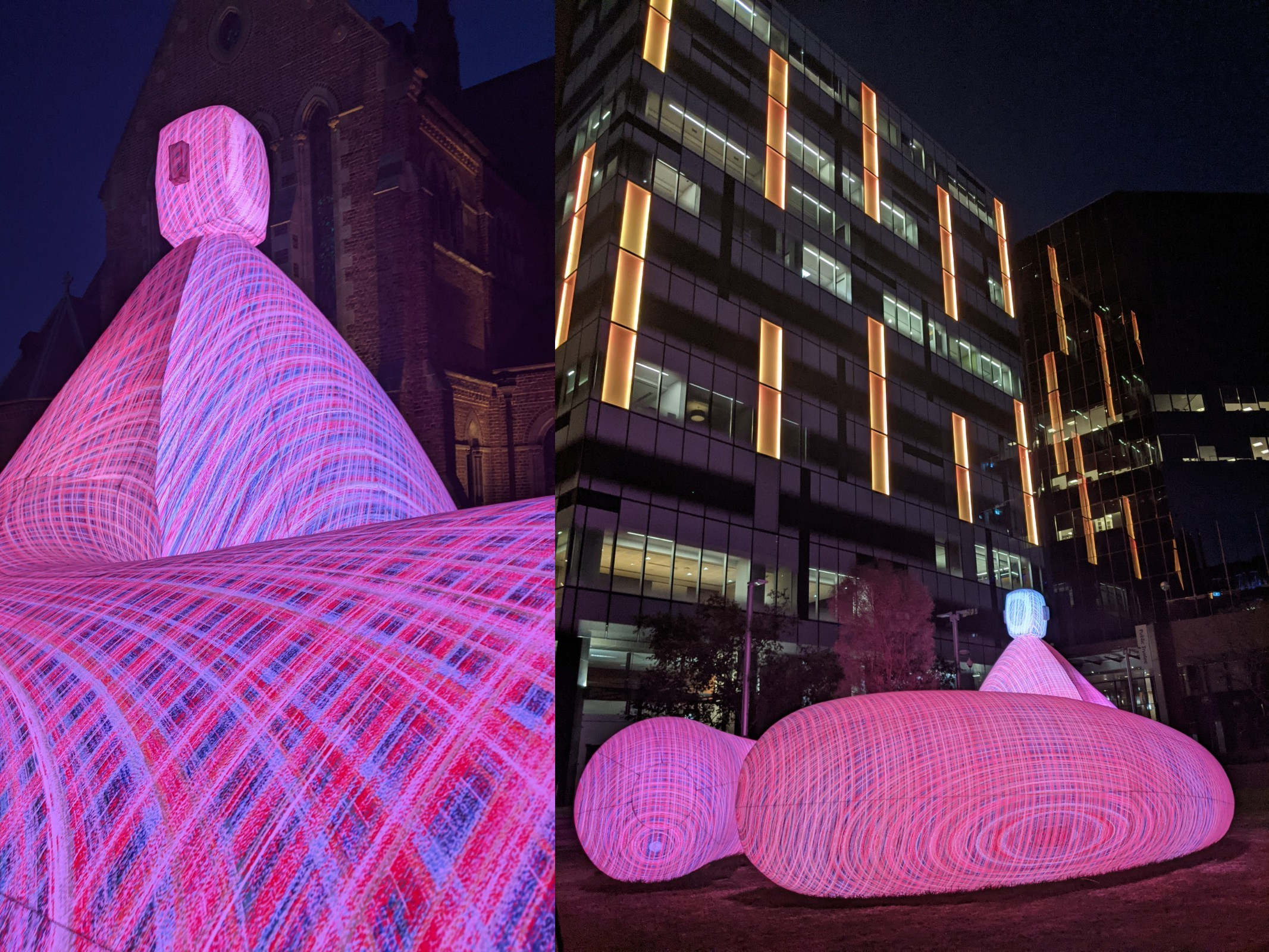
Some of the 16 inflatables by Eness on show in May 2025 at the Claremont Quarter, Perth, WA.
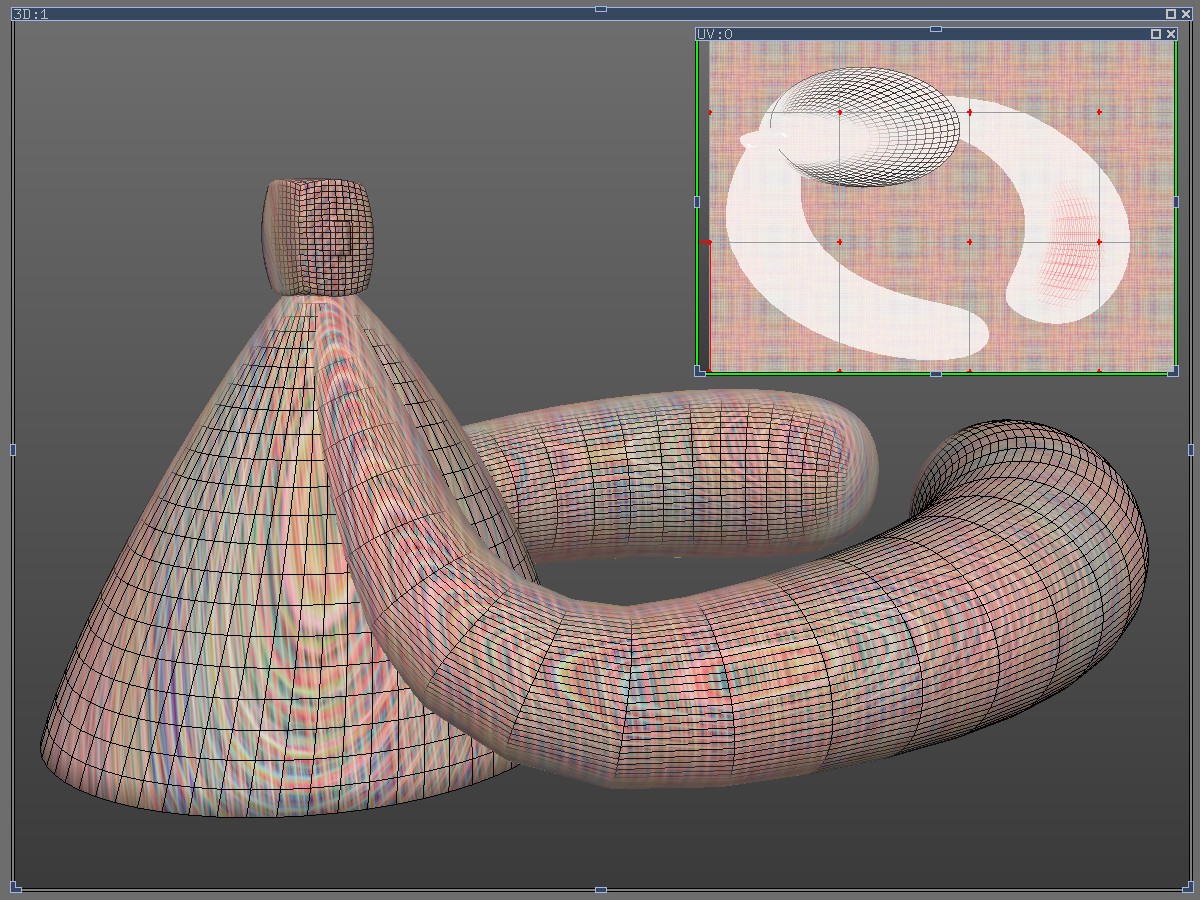
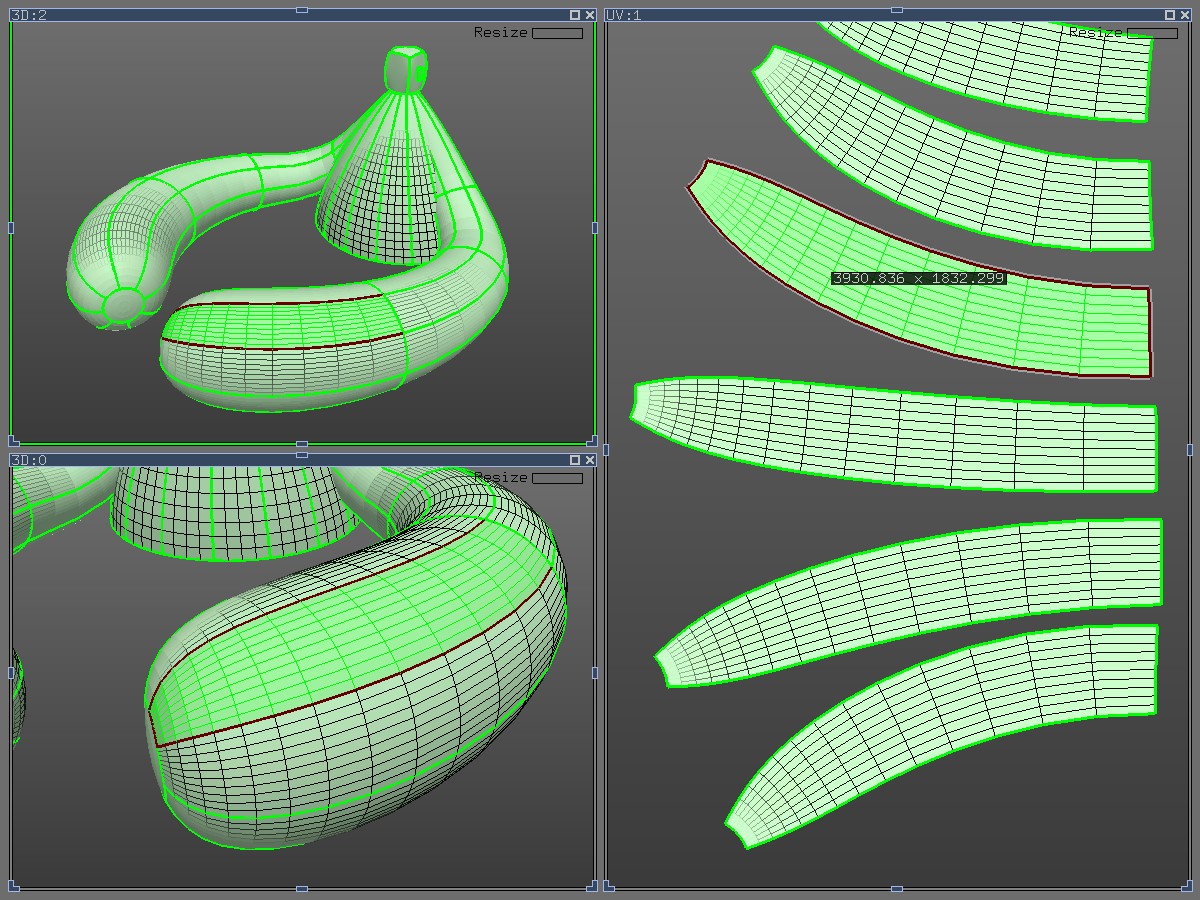
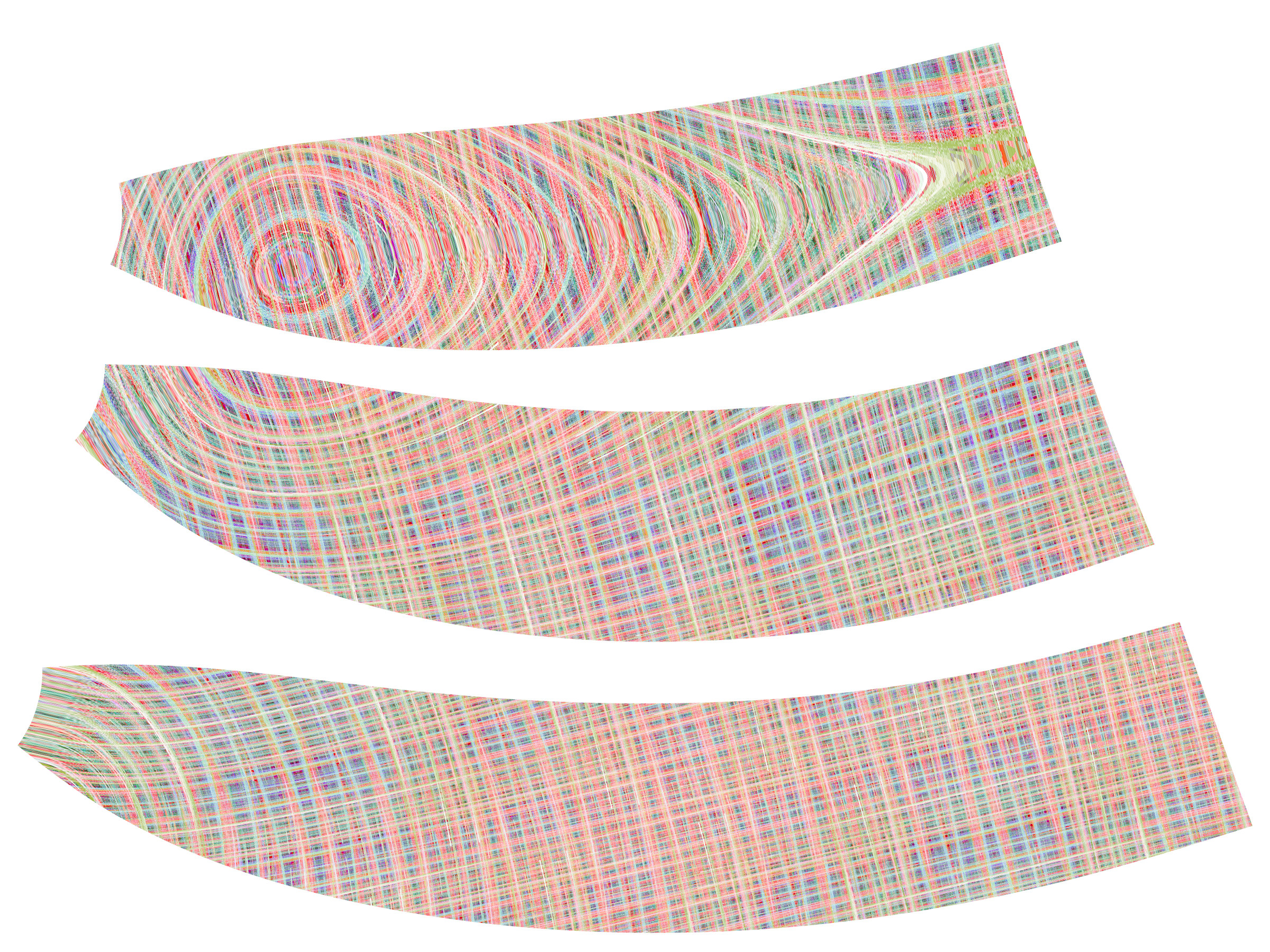
UVLayout was used to create the printed flat patterns from the textured 3D models.
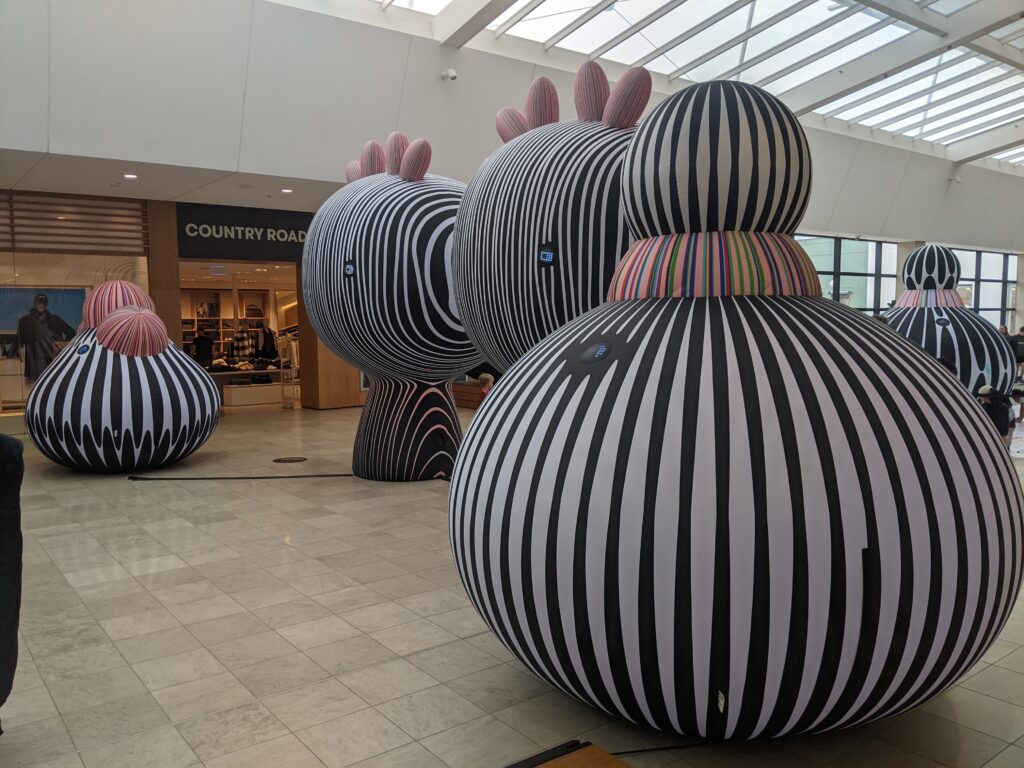
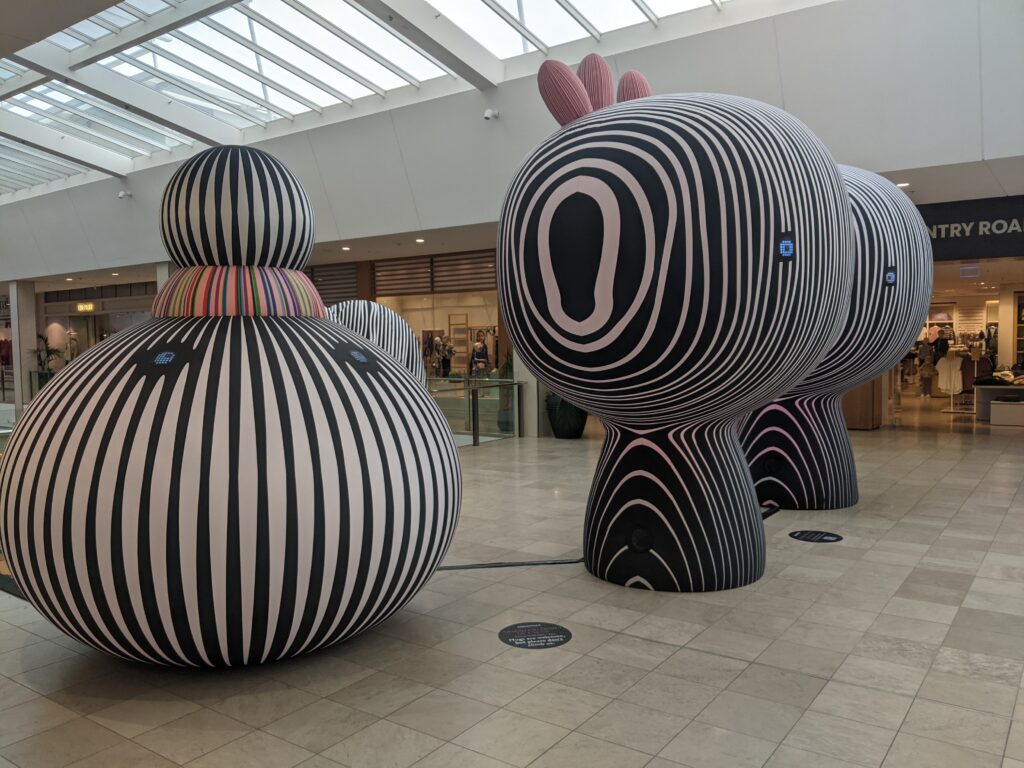
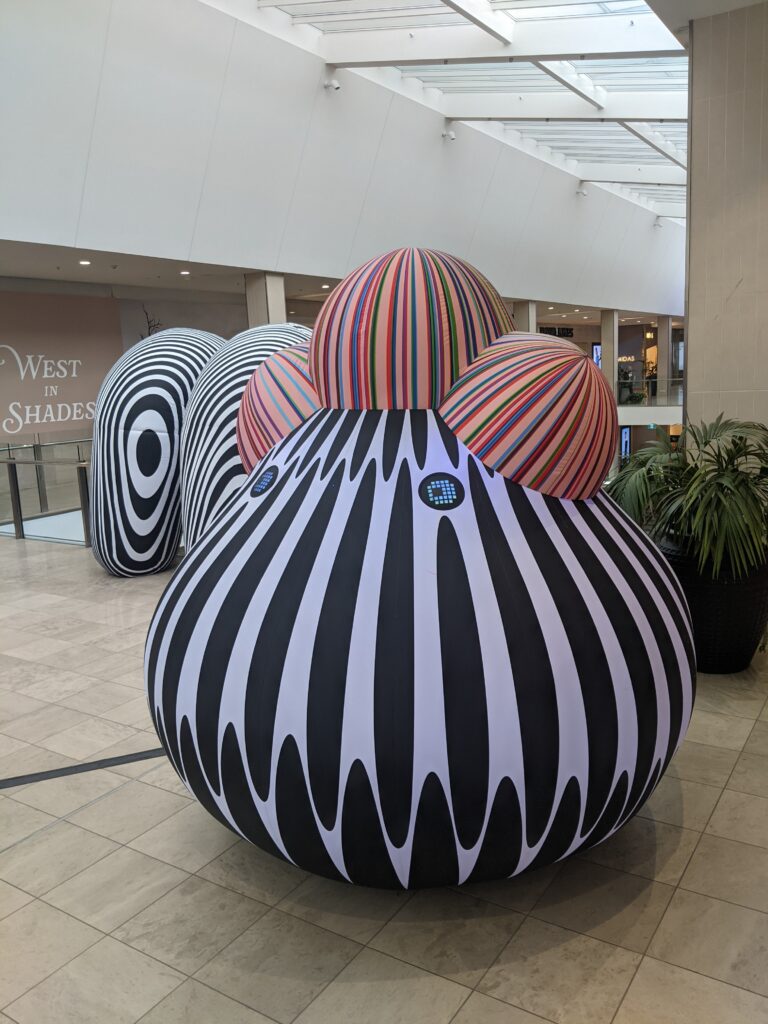
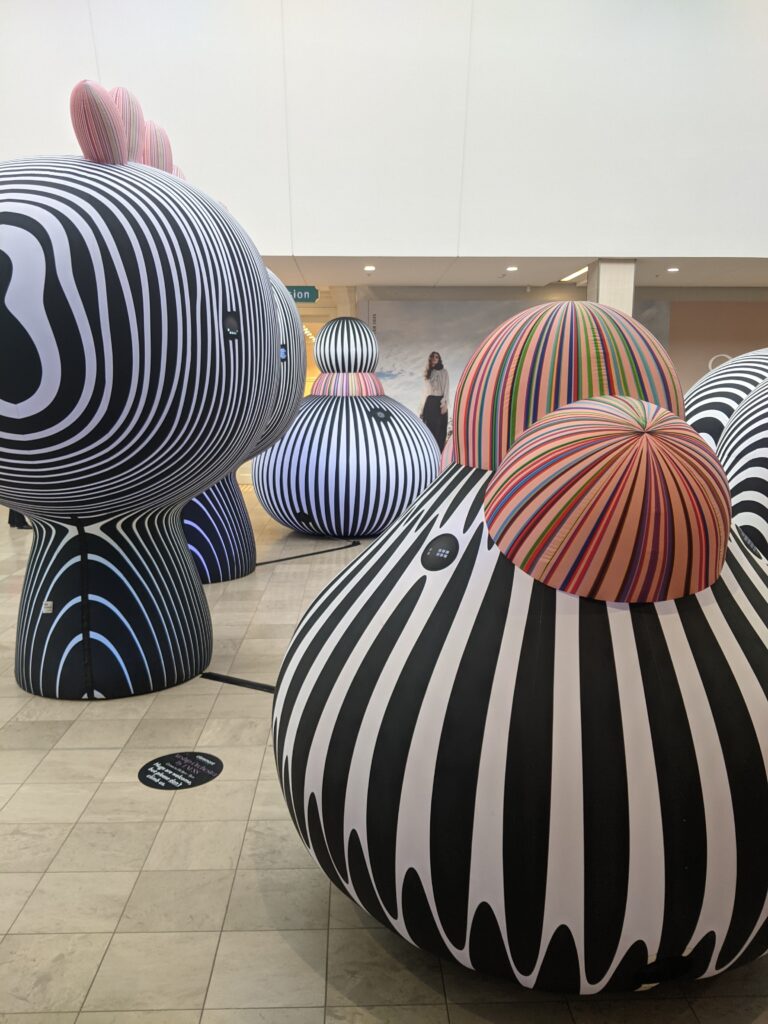

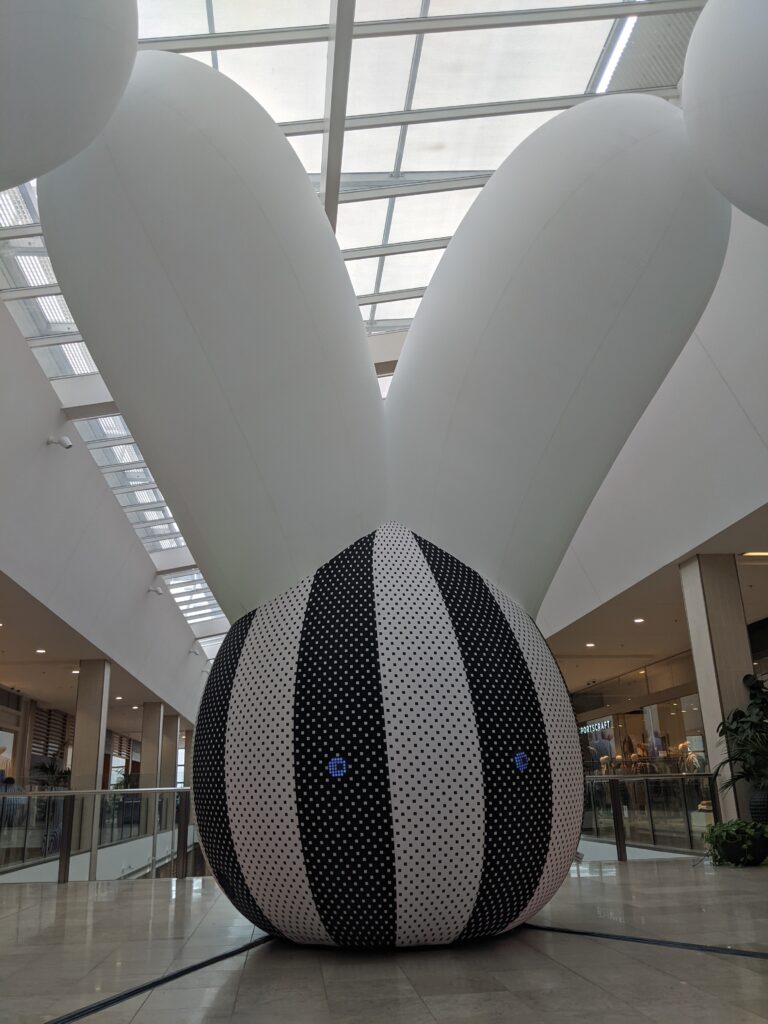


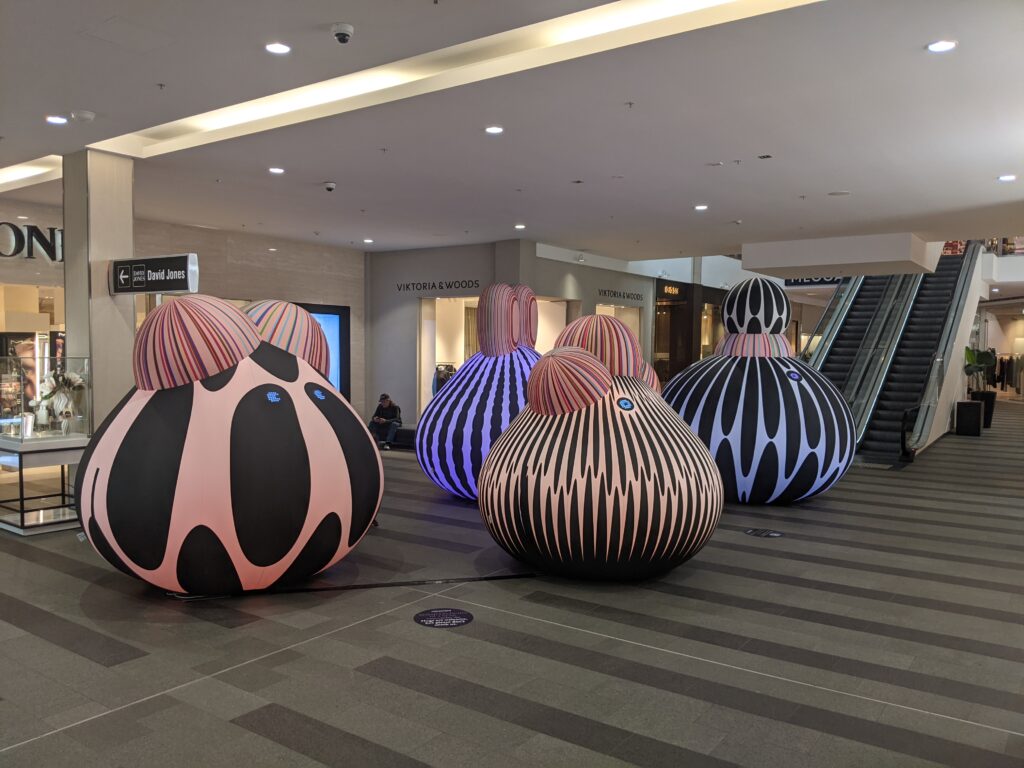
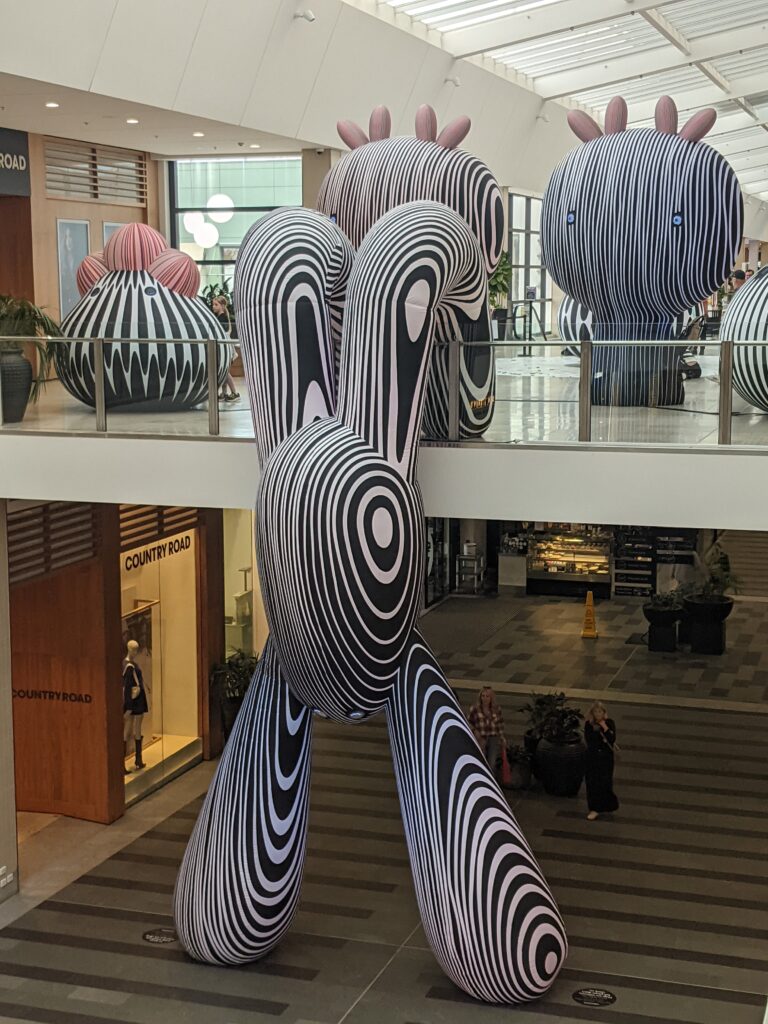


Some of the 16 inflatables by Eness on show in May 2025 at the Claremont Quarter, Perth, WA.
UVLayout was used to create the printed flat patterns from the textured 3D models.
Pick points, edges and edge loops for move, scale and rotate actions.
Constrain moves in the U and V directions, plus other options for snapping points and rotations. Also new options for setting the pivot for rotations and scales.
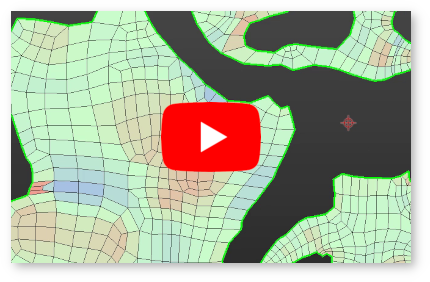
Adds the option for an editable rectangle or shape when marking polys or picking points.
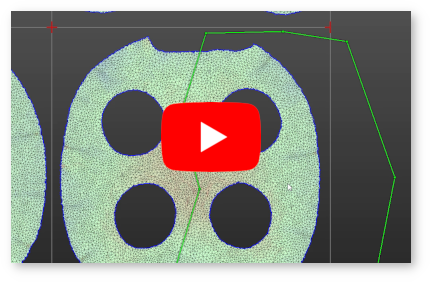
Adds new options for wireframe display, plus general drawing and picking speed improvements, especially for denser meshes.
The full release notes can be found here …
https://www.uvlayout.com/latest
To access the latest releases, login to your uvlayout.com account then go to the Download page …
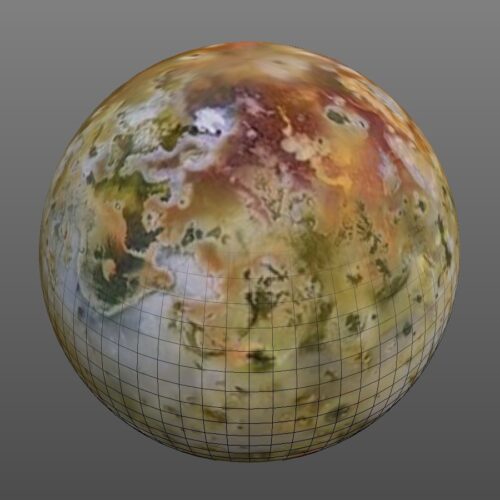
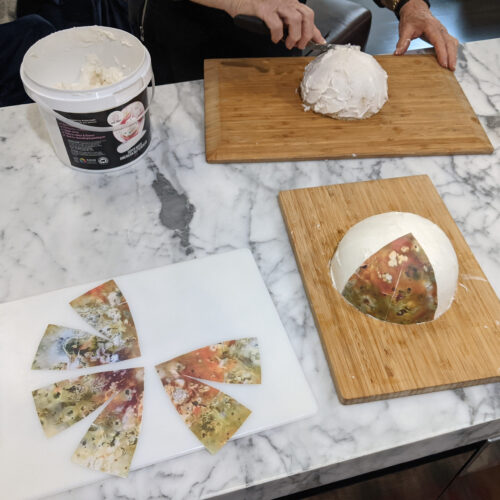
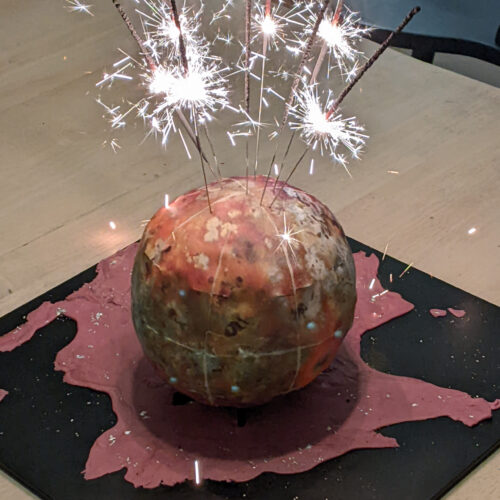
A recent fun project, making a cake for a young family member who is an expert on all the planets and moons.
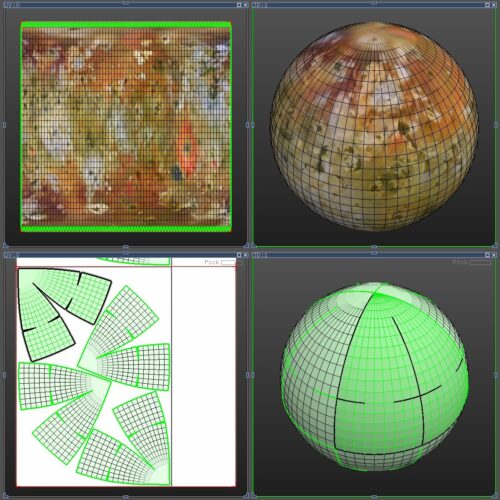
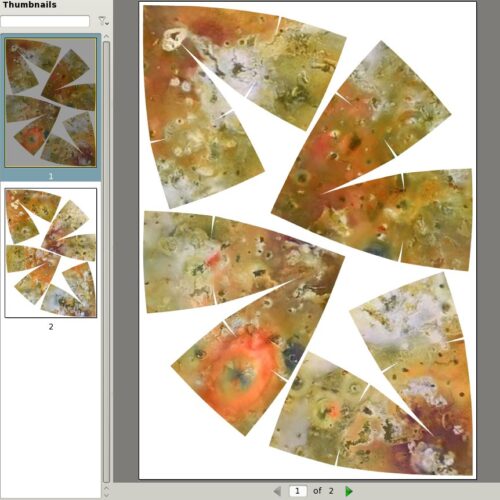
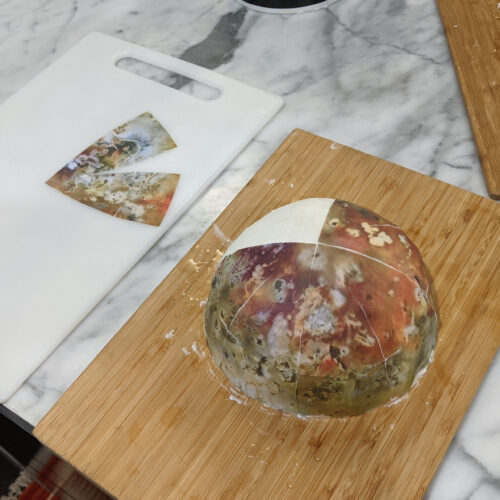
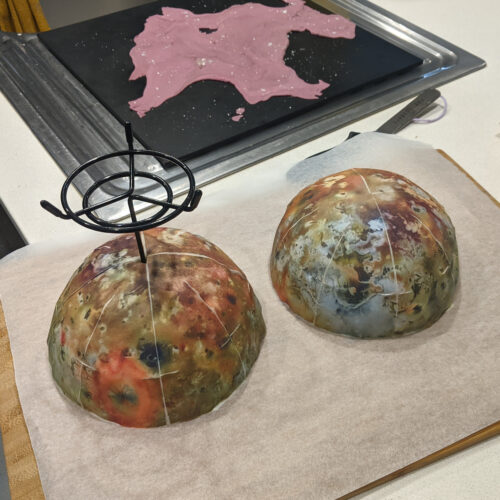
We found a cylindrical texture map for Jupiter’s moon Io, wrapped that round a simple sphere model, flattened the geometry in UVLayout, then used it’s Repaint tool to make the colored pattern.
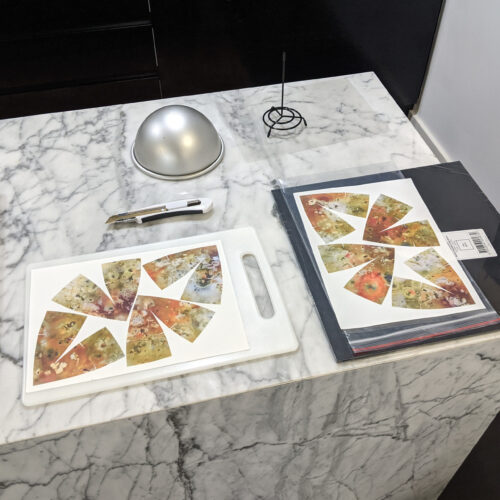
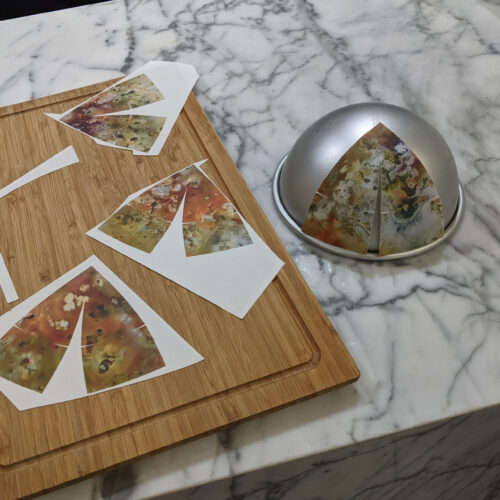
This was printed onto special icing paper using edible inks, then cut out and “glued” to the shaped cake base using more icing.
The seams between the pieces made for a perfect guide when cutting the cake for serving. Total time from construction to destruction; 6 hours.
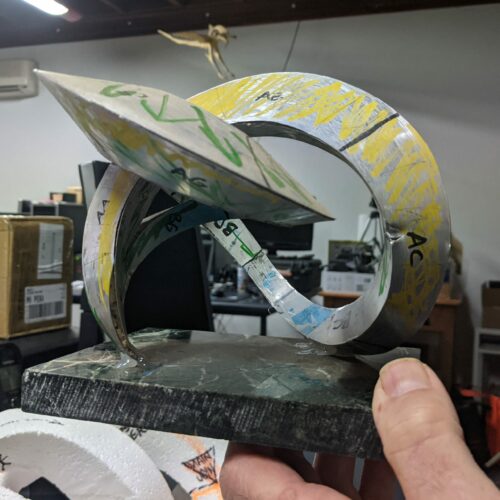
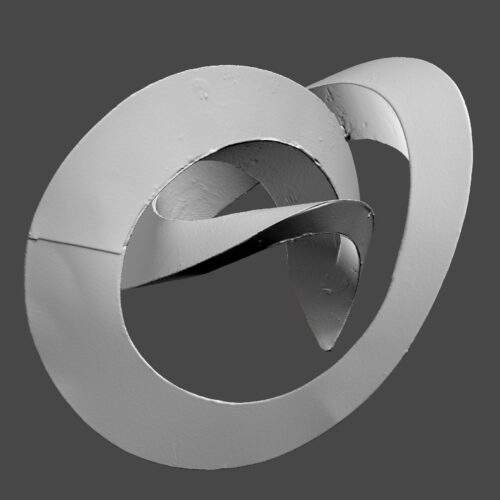
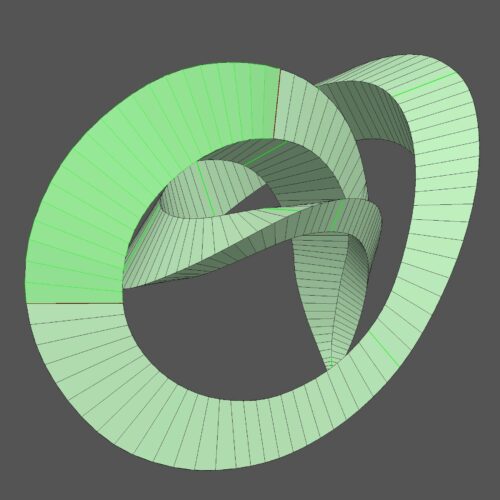
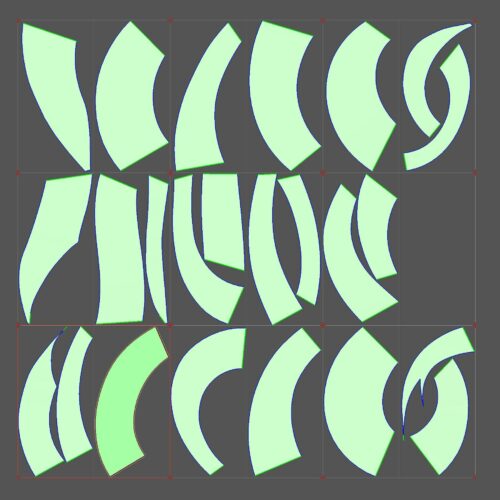
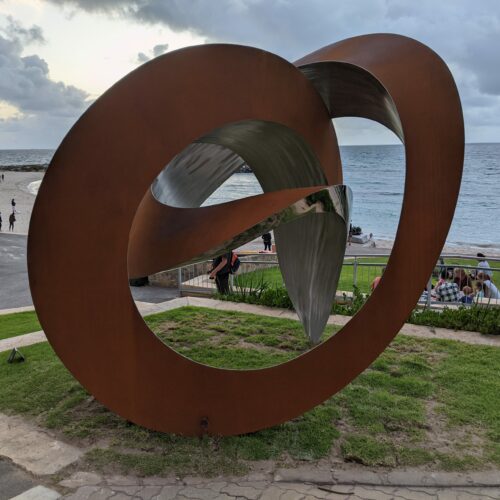
Harry models his maquettes out of foam, aluminium sheet and glue, then we start by 3D scanning it.
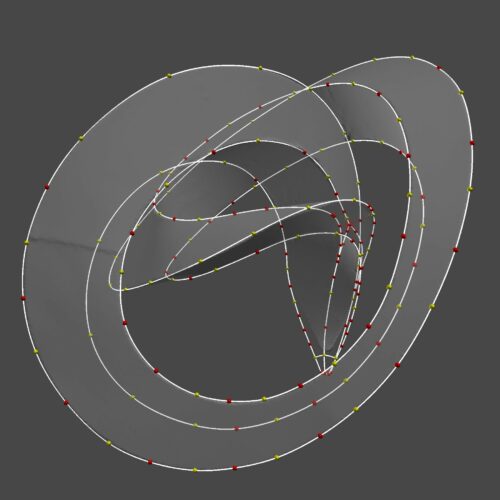
The scan is then loaded into #CySlice where we fit the free-form curves and surface. Because the maquette itself has kinks and bumps and gaps, we then tweak the control points, with Harry directing, to get everything perfectly smooth.
The point interpolation is our own algorithm that generates very natural sweeping curves. Its origins go right back to the late 80’s when we first developed it to fit curves to co-ordinate measuring machine data from jet engine turbine blades on a Rolls Royce Aerospace project.
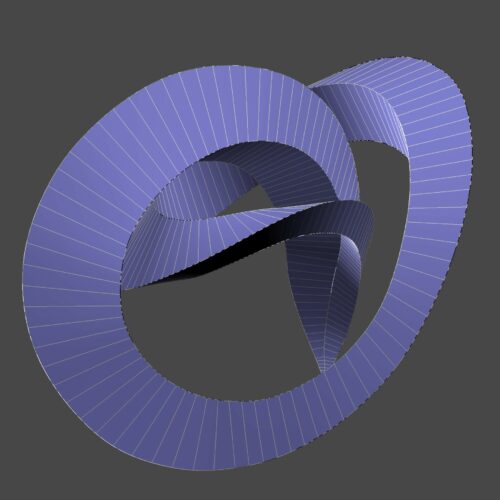
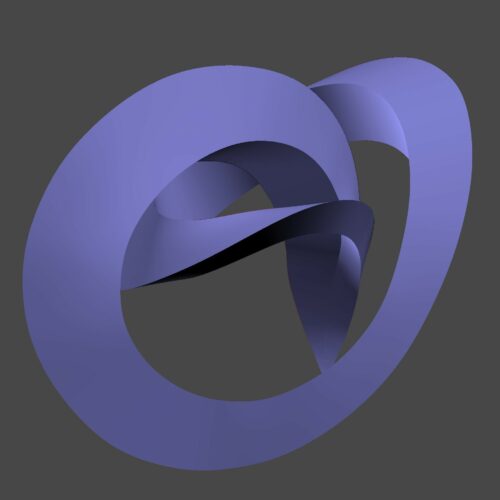
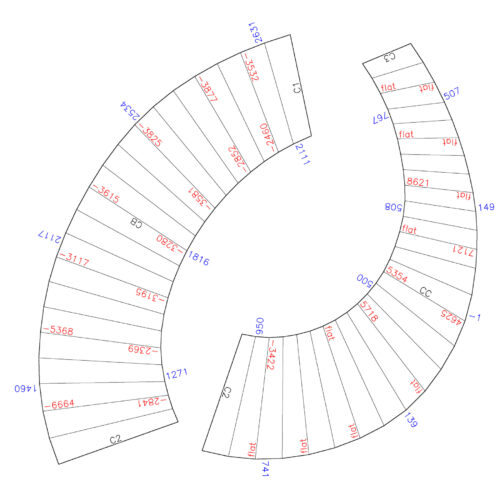
The perfect surface is then loaded into UVLayout where we work out the flat pattern that’s sent out for laser cutting. Because these sculptures are large, they need to be cut into smaller pieces to fit the available sheet sizes (typically 1.5 by 3 meters). UVLayout is also used to generate the print-outs that Harry uses as a guide for the rolling of each piece, indicating radii and direction.
This is just one of dozens of sculptures we’ve worked on for Harry since 2013.
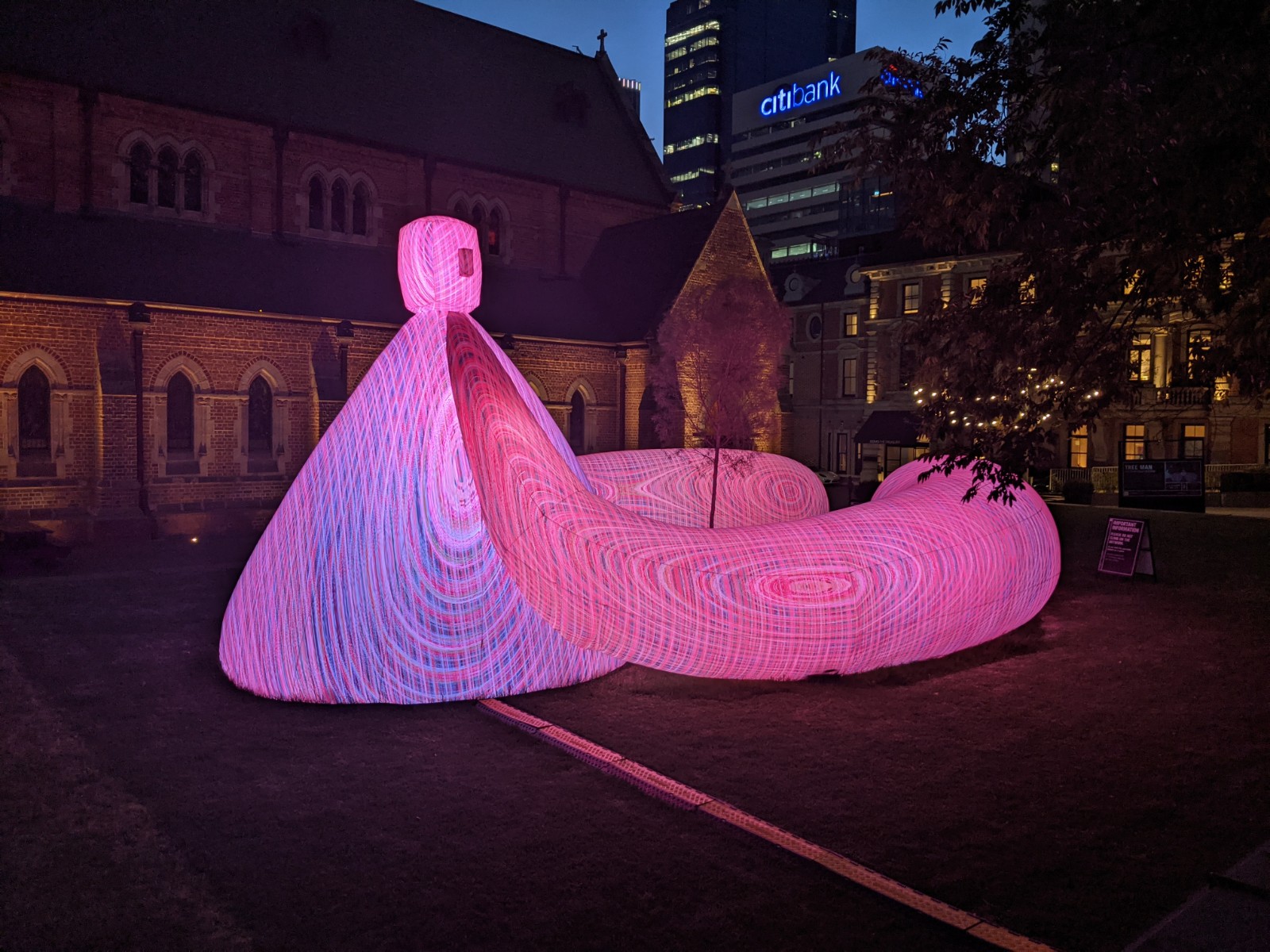
Eness models and textures the mesh, then their inflatable manufacturer uses UVLayout to work out the flattened pattern, in this case, 92 pieces; the larger ones here are around 4m long.
We then use the Repaint tool in UVLayout to calculate the flattened textures for each piece at 200dpi, ready for printing.
This is just one of over 60 inflatables we’ve worked on for Eness over the last few years.